


Table of Contents
- What Makes a Custom Engagement Ring Design Service Stand Out
- The Custom Engagement Ring Design Process, Step by Step
- Semi-Mount Rings: A Smarter Path to Custom Design
- How Long Does a Custom Engagement Ring Take?
- Custom Engagement Ring Design Tips From the Experts
- Common Pitfalls and Design Mistakes to Avoid
- Caring for Your Custom Ring After the Proposal
- Frequently Asked Questions
Last Updated: September 25, 2026
What Makes a Custom Engagement Ring Design Service Stand Out
The best custom engagement ring design services combine a structured design process, transparent sourcing, and a jeweler who stays in contact from first sketch to final polish. At Dunkin's Diamonds, three generations of bench experience have shaped a simple belief: a custom engagement ring should feel like the two of you, not like a catalog page with your name on it.

Selection Criteria: How We Evaluated These Services
We scored services against five criteria: process transparency, center stone flexibility, metal and setting range, communication cadence, and aftercare.
- Process transparency: Do you see a CAD design and a 3D rendering before anything is cast?
- Center stone flexibility: Can you choose the diamond or gemstone separately from the setting?
- Metal range: Platinum, 18k gold, and two-tone options, not just one house alloy.
- Communication: Regular updates, not silence followed by a shipping notice.
- Aftercare: Cleaning, inspection, and resize terms in writing.
The Custom Engagement Ring Design Process, Step by Step
The custom engagement ring design process moves through five stages: consultation, gemstone selection, design sketch and CAD rendering, 3D model approval, and casting. Skipping the approval step is where most disappointments start.

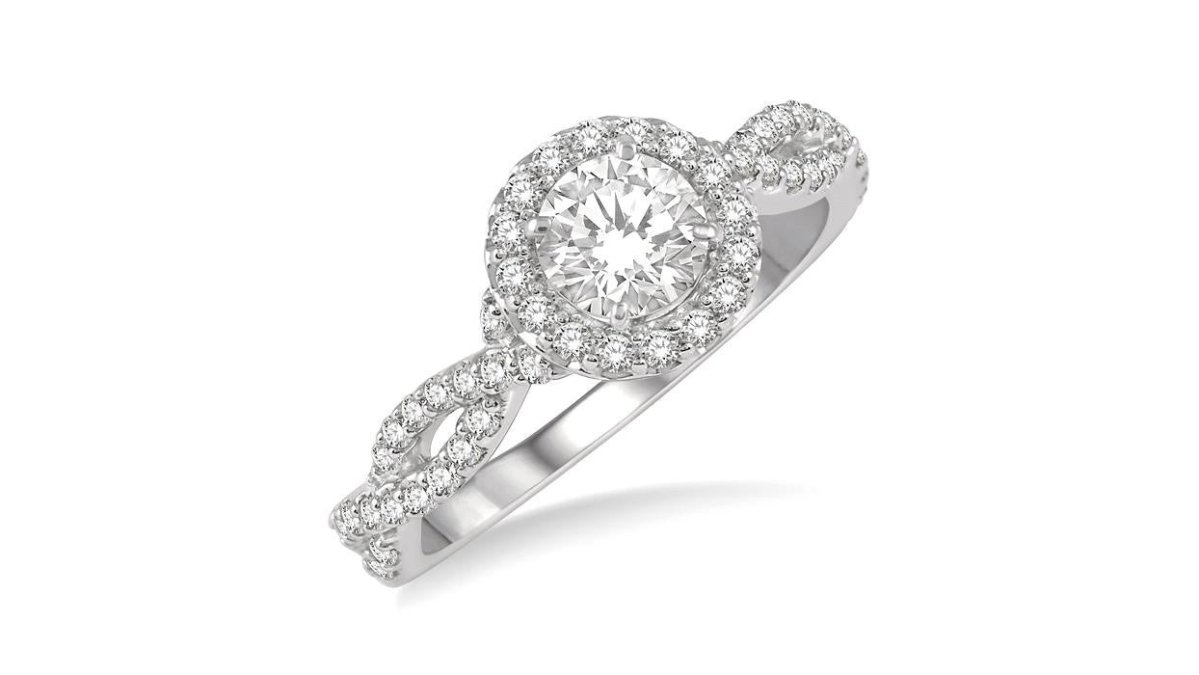
Here is how a well-run process should flow:
- Design consultation. You talk through style, budget, and the story behind the ring.
- Center stone selection. You compare diamonds or gemstones, ideally with grading documentation.
- Design sketch and CAD design. Your idea becomes a technical drawing, then a digital model.
- 3D rendering and wax model review. You see the ring before it exists in metal.
- Casting and finishing. The ring is cast, set, polished, and inspected.
From First Sketch to Final Casting
A structured path matters because it protects you. According to Washington Diamond's editorial on the custom design process, the process should move deliberately from discovery and gemstone selection to 3D model approval before production begins. That approval gate is your safety net: nothing gets cast until you say yes.
Semi-Mount Rings: A Smarter Path to Custom Design
A semi-mount ring is a finished setting with the center stone left open for you to choose. It gives you customization where it counts, at a lower total cost than a fully bespoke piece. For many buyers, this is the smartest route into custom work.
Ring |
Metal |
Center Stone Range |
Price |
|---|---|---|---|
14K white gold |
0.40-0.60 ct round |
$1,353.00 |
|
14K white gold |
0.35-0.45 ct round |
$1,925.00 |
|
14K yellow and white gold |
0.85-1.20 ct round |
$3,399.00 |
|
14K yellow and white gold |
4.50-5.50 ct marquise |
$5,170.00 |
How Long Does a Custom Engagement Ring Take?
A custom engagement ring typically takes four to eight weeks from approved design to finished ring, though complex pieces with sourcing delays can run longer.

The timeline breaks down roughly like this:
- Consultation and stone selection: 1-2 weeks
- Design sketch and CAD work: 1-2 weeks
- 3D rendering and your approval: 3-7 days
- Casting, setting, and finishing: 2-3 weeks
Custom Engagement Ring Design Tips From the Experts
Good custom engagement ring design tips all point the same direction: decide the non-negotiables first, then let everything else flex. Buyers who lock in a center stone shape and metal before browsing settings make faster, happier decisions. But the advice that actually saves money and heartache goes deeper than that.
- Prioritize cut over carat. A well-cut diamond at 1.0 ct outperforms a poorly cut 1.3 ct stone every time. Cut is the only one of the 4Cs that determines how much light the stone returns to your eye, carat is just weight. Ask to see the stone under a jeweler's loupe in daylight, not just under a display lamp.
- Match the setting to the lifestyle. A high prong setting on an active hand is a repair waiting to happen. If the wearer works with their hands, consider a bezel or a lower-profile cathedral setting that protects the girdle.
- Think about the wedding band now. A curved band fits a halo; a straight band does not. Ask your designer to sketch the engagement ring and band together so you can see how they sit side by side before you commit.
- Bring inspiration photos. Sketches and reference images shorten the design phase considerably. Pull images from three different angles, top-down, side profile, and on a hand, so your designer understands proportion, not just style.
- Confirm ring sizing before casting. Resizing a finished ring is possible, but doing it right the first time is better. Ring size can shift half a size or more between summer and winter, so get sized at room temperature, ideally at the end of the day.
- Verify stone origin and grading. Ask for the GIA or IGI report number and confirm it matches the stone's laser inscription. For colored gemstones, ask where the stone was sourced and whether the supplier follows responsible-sourcing practices.
- Plan for the appraisal before the proposal. A custom ring needs a documented appraisal for insurance before it leaves the store. Ask whether the appraisal is included, what it covers, and whether you'll receive a replacement-value figure your insurer will accept.
If you're choosing between two stones that look identical to the eye, ask to see both under a gemscope or a 10x loupe. Inclusions that are invisible in a display case can become obvious in direct sunlight, and that's where the ring will live.
Common Pitfalls and Design Mistakes to Avoid
The most expensive custom ring mistakes happen before any metal is cut: choosing a trend over a style, ignoring the wearer's daily life, and rushing the approval stage. Each one is avoidable with a slower first conversation. But the pitfalls that cost buyers the most, and that almost no guide warns you about, involve what happens after the ring is on the finger.
Watch for these:
- Designing for the proposal, not the marriage. A ring worn daily for decades needs to suit daily life.
- Overloading the setting. Too many small stones on a thin shank weakens the structure.
- Skipping the 3D approval. Once the ring is cast, changes get costly. Review the rendering from multiple angles, and if you can, hold the wax or resin model in your hand before you sign off.
- Choosing a stone without grading documents. Insist on GIA or IGI certified stones so you know exactly what you bought. A stone without a report is a stone you can't insure accurately or resell confidently.
- Ignoring insurance and appraisal documentation. A custom piece needs an appraisal for coverage before it leaves the store. Custom rings are harder to appraise than branded pieces because there's no catalog comparable, your insurer will want a detailed description, metal weight, stone specifications, and a replacement-value figure. Get this in writing at pickup, not weeks later.
- Not asking about resale reality. Custom rings rarely resell for what you paid. The design is personal, and the secondary market values stones and metal, not sentiment. If resale matters to you, put more of your budget into a certified center stone and less into intricate custom metalwork.
- Skipping the sourcing conversation. Ask where your center stone came from and whether the supplier follows responsible-sourcing practices. For diamonds, the Kimberley Process certification is the baseline; for colored gemstones, the supply chain is less regulated.
- Assuming aftercare is included. Ask what happens if a prong loosens in month three, or if the ring needs resizing after the proposal. Get the terms in writing, cleaning cadence, inspection intervals, resize policy, and warranty length, before you pay a deposit.
A custom ring with no appraisal is a custom ring you can't fully insure. If your jeweler doesn't offer an appraisal at pickup, budget for an independent one from a credentialed appraiser before the ring leaves the store.
The single best protection against a custom ring you dislike is the 3D model approval step. The second-best is a written aftercare and appraisal plan. Never waive either, even under a deadline.
Caring for Your Custom Ring After the Proposal
Custom settings need the same care as any fine jewelry, plus a little more attention because the design is one of a kind. Professional cleaning and inspection once or twice a year keeps prongs tight and stones secure.
- Clean with warm water, mild soap, and a soft brush.
- Remove the ring before gym sessions, gardening, or swimming.
- Check prongs monthly by running a fingertip around the setting.
- Store it separately so harder stones do not scratch the metal.
- Get it inspected annually, especially halo and pavé designs.
Frequently Asked Questions
How much does it cost to custom design an engagement ring?
Costs vary widely based on the center stone, metal, and complexity of the setting. A semi-mount approach can help control costs: you choose a pre-decorated setting and add your own center stone. At Dunkin's Diamonds, semi-mount rings start at $1,353 and go up to $5,170 depending on the design and metal.
How does the custom engagement ring design process work?
The process typically moves through several stages: an initial design consultation, gemstone selection, design sketches, CAD design and 3D rendering, a wax model or 3D-printed prototype for approval, and finally casting and stone setting. A structured approach moving from discovery to 3D model approval before production is key to getting the result you want. Expect to review and approve the design at least once before production begins.
How long does a custom engagement ring take from start to finish?
Most custom rings take four to eight weeks, though complex designs with hard-to-source gemstones can take longer. The timeline depends on how quickly you approve the CAD design, how long gemstone sourcing takes, and the jeweler's production schedule. If you have a proposal date in mind, start the process at least two to three months ahead so there is room for adjustments without rushing the final steps.
What should I bring to my first custom jewelry design consultation?
Bring inspiration photos, sketches, or screenshots of rings you like, even if they are from different styles. Know your partner's ring size if possible, and think about the metal color they wear most. Inspiration photos and sketches are a common starting point for bespoke work. Also bring a realistic budget range so your designer can guide you toward the right center stone and setting combination.
How do I make sure my custom engagement ring is durable for daily wear?
Choose a setting style that protects the center stone, such as a halo or a prong setting with a sturdy gallery. Platinum and 14K gold are both durable choices for everyday wear. Ask about the ring shank thickness and whether the prongs are hand-finished. A lifetime warranty and free cleaning from your jeweler also help you keep the ring in good condition over decades of daily use.
Choosing a custom engagement ring means trusting someone with a piece you will look at every day for the rest of your life. Dunkin's Diamonds has spent three generations earning that trust, with expert custom jewelry design, personalized guidance from diamond experts, lifetime warranties, lifetime upgrades, and free cleaning to keep the ring looking new. Start designing with Dunkin's Diamonds and create a ring that belongs to no one else.

